Character animation gives a brand’s story someone to follow. Through posture, expression, timing and movement, a character can make an unfamiliar situation feel understandable. Studio Poink’s work includes character-led films, illustrated worlds and animated series, with projects ranging from technology explainers to brand campaigns.
The useful question is not simply whether a brand needs a mascot. It is whether a character helps tell the particular story. A curious guide, an expressive customer or an abstract creature can each play a different role. This guide explains how to choose that role and turn it into a practical animation brief.
When should a brand use character animation?
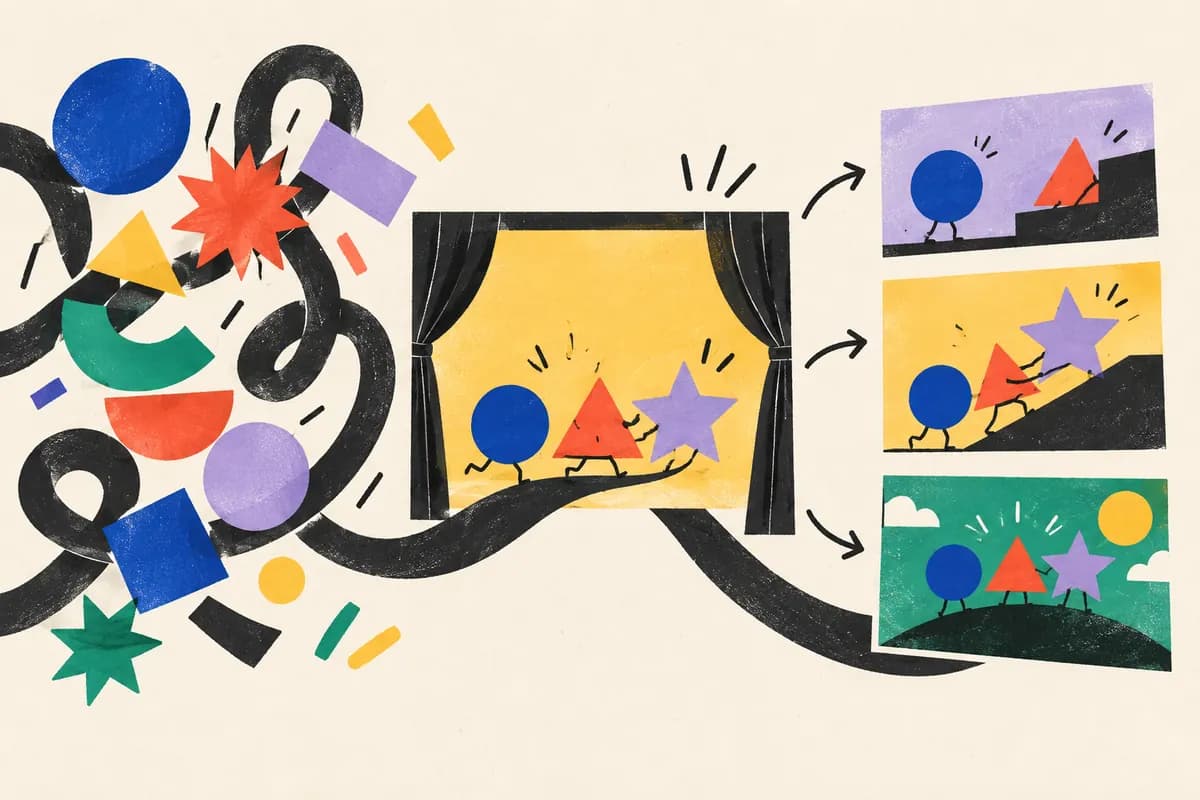
A character is useful when the audience needs to see an experience unfold. Instead of describing frustration, show someone struggling with a task. Instead of announcing a change, let the character discover it. The story can communicate through action as well as words.
Character animation can suit a product introduction, recruitment film, commercial or recurring series. It can also help connect several pieces of content through a recognizable visual presence. That does not mean every brand needs a permanent mascot. A character might exist only for one campaign or one story.
For a film about a technical process, diagrams or abstract motion may do more of the explanatory work. Characters can introduce the human context and then step aside. Our animated explainer video guide discusses how to balance those elements.
Design a personality that works in motion
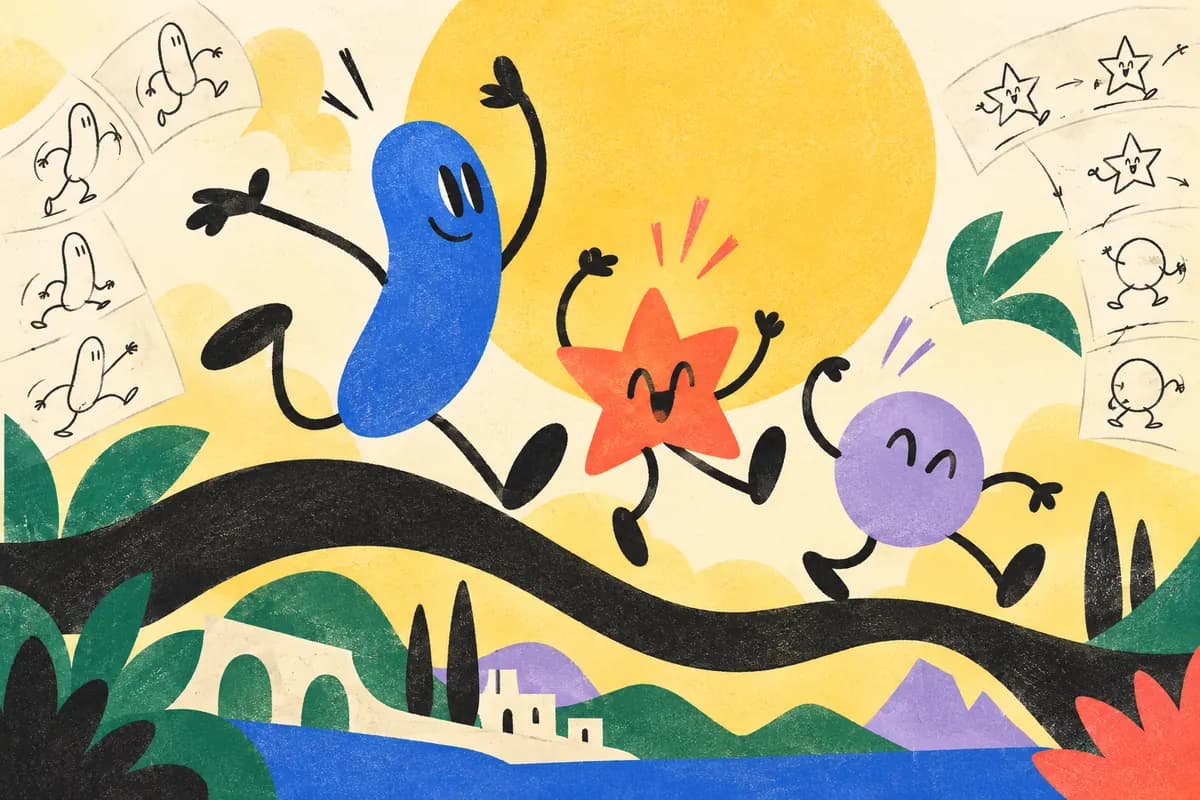
A strong character design should support what the character will do. A beautifully detailed still illustration may become difficult to read when it moves quickly or appears on a small screen. Begin with silhouette, proportions and a few distinctive features, then consider the poses the story requires.
Personality also comes from timing. Two characters with similar shapes can feel different if one pauses thoughtfully while the other rushes into every decision. Expressions, anticipation and reactions give actions context. These choices should relate to the brand’s tone and the needs of the scene.
Before approving a design, ask to see it in representative situations: facing a problem, interacting with an object and responding to a change. A pose or movement test, if included in the scope, can reveal practical questions that a single presentation image cannot answer.
Cut-out animation, frame-by-frame animation or a mixture?
Cut-out character animation uses separate parts that can be positioned and moved. It can support a consistent illustrated look across several scenes. Design decisions about joints, angles and reusable poses influence what the character can do convincingly.
Frame-by-frame character animation builds movement through successive drawings. It can suit expressive acting, unusual perspective changes and fluid transformations. The amount of drawing and complexity of the action influence the production effort.
A mixed approach may be appropriate when different moments need different treatments. An everyday action might use cut-out movement, while a key transformation receives a drawn sequence. Discuss the actual scenes with the studio instead of choosing a technique solely from a label or assuming one method always costs less.
Build a world the character belongs in
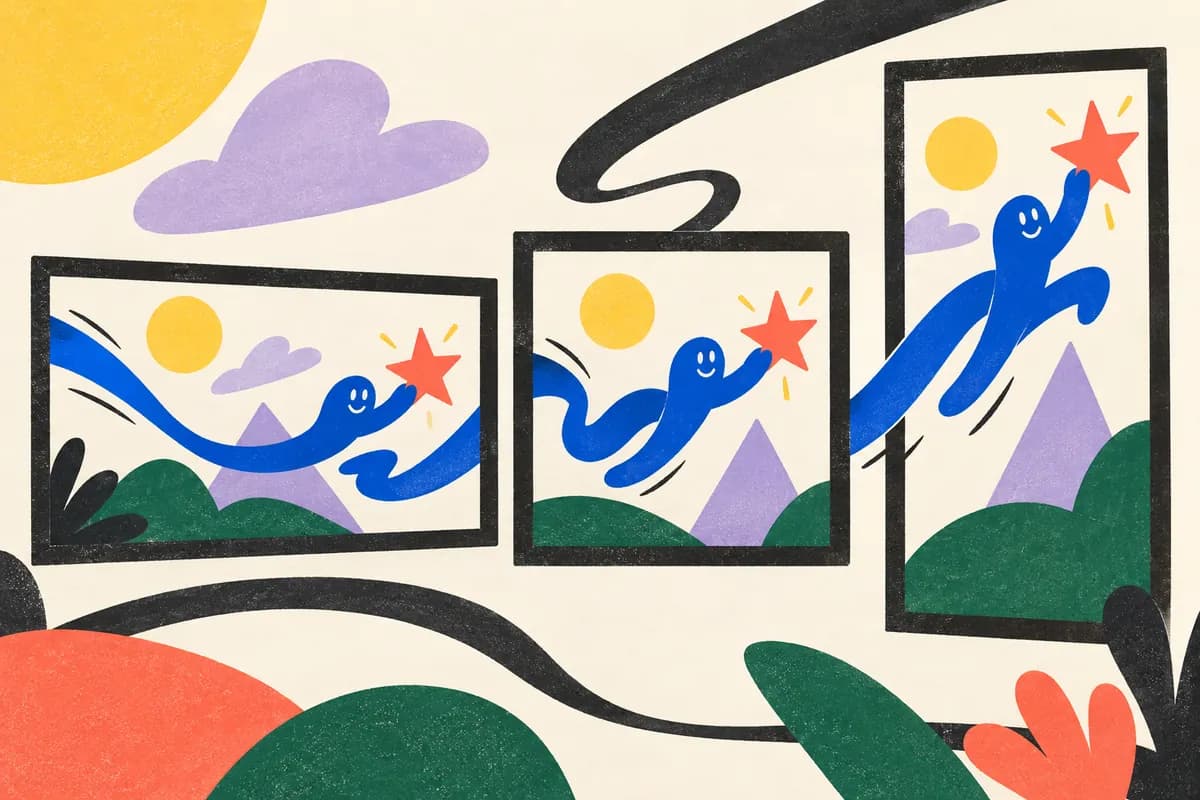
Character, background and movement should feel part of the same visual language. Palette, texture, scale and the shape of props all contribute. A playful character can still belong to a serious brand if its behavior and context serve the message.
If you are planning several films, identify what needs to remain consistent. Useful reference material may include character proportions, expression examples, color values, background rules and notes on movement. Agree on which of these materials are actual deliverables and who will use them after the project.
- Story role: is the character a guide, a customer, a colleague or a metaphor?
- Audience: who should recognize the situation, and what tone suits them?
- Range of actions: what must the character be able to do?
- Future use: is this one film, a campaign or a possible series?
- Rights and handover: what usage and production assets need to be agreed?
Character storytelling in Studio Poink’s work
The Pecan AI project uses character-driven storytelling and combines frame-by-frame and cut-out animation to explain the subject. It provides a reference for bringing an expressive visual treatment to technology communication.
For Celcom Africa, the project centers on a signature superhero character adapted from still photographs into animation. It illustrates a different starting point: translating an existing character into a moving performance.
The OKcupid “Who You Want to Be” work uses frame-by-frame animation in a series exploring identity and relationships. Looking across these examples shows how character decisions follow the subject and tone, rather than a single house template.
How to brief a character animation project
Share the story you want to tell, any existing character art and the brand’s visual guidelines. Include examples of tone, but explain what you like about them: understated reactions, energetic movement, graphic simplicity or something else. That explanation is more useful than asking to reproduce another film.
Confirm the approval stages for design and movement, along with formats, audio, captions and review rounds. If the character will travel across placements, our campaign animation guide outlines the format decisions to make early. Contact Studio Poink to discuss the character, world and production approach that fit your project.